Src Family
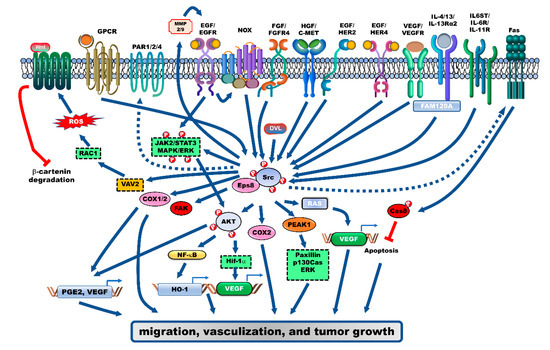
The Src family of protein tyrosine kinases, which includes Src, Lyn, Fyn, Yes, Lck, Blk, and Hck, are important in the regulation of growth and differentiation of eukaryotic cells.
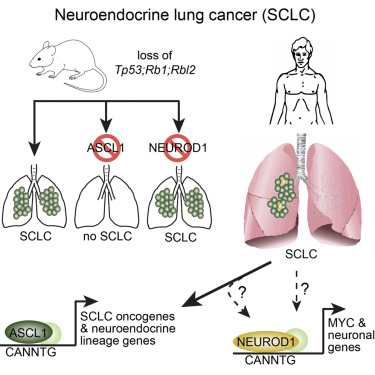
Lung cancer is the leading cause of cancer‑related mortality worldwide. It is generally divided into two broad histological classifications: small cell lung cancer (SCLC) and non‑small cell lung cancer (NSCLC). SCLC is particularly aggressive and has been further subdivided by biological heterogeneity. Subtypes of SCLC have recently been described based on expression distinct transcriptional regulators.

Coating is the fundamental core step of ELISA experiments. Essentially, it immobilizes specific antibodies or antigens onto the surface of a solid‑phase carrier to build an exclusive antigen‑antibody reaction platform. The quality of coating directly determines the sensitivity, specificity and reproducibility of the whole assay. Many abnormal ELISA results originate from improper coating operations. This FAQ document sorts out principles of coating, key influencing factors, blocking procedures, and the differences between in‑house coated plates and commercial pre‑coated kits, to help researchers troubleshoot common coating‑related experimental problems.
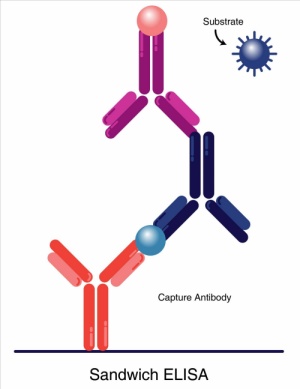
This article organizes FAQs for high-frequency issues in double-antibody sandwich ELISA experiments, covering pre-experiment preparation, complete operational points, data processing, and common fault analysis. It aims to help experimenters quickly identify problems, standardize experimental procedures, reduce experimental failures, and obtain stable and reliable detection data.
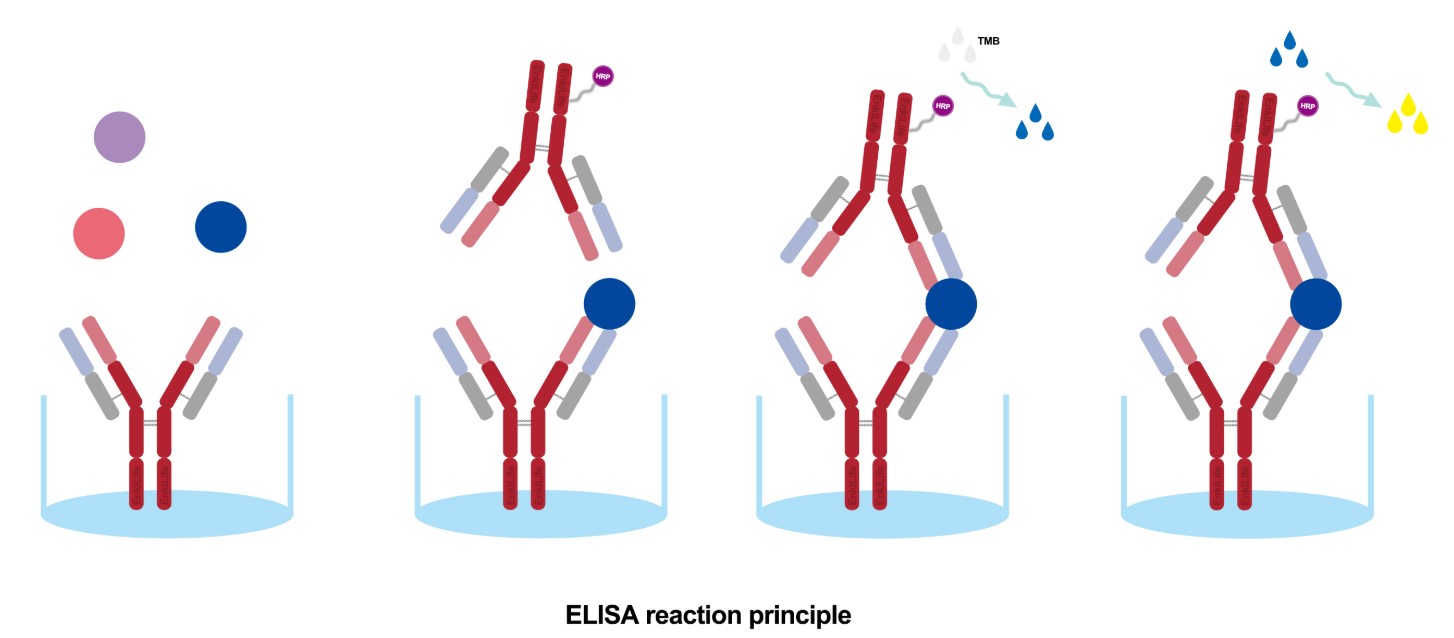
This article describes the optimization procedures for each detection component, ranging from capture antibodies to the selection of enzyme conjugates and substrates. Although each component is described individually, two components can be optimized simultaneously by performing a checkerboard titration in many cases.
Enzyme-Linked Immunosorbent Assay (ELISA), a classic immunoassay technique in life science research and clinical diagnosis, operates on the core principle of specific antigen-antibody binding reactions. It immobilizes soluble antigens or antibodies on solid-phase carriers such as polystyrene microplates, and through signal amplification via enzyme-catalyzed substrate color development, it enables qualitative analysis and accurate quantification of trace target substances in liquid biological samples. With outstanding advantages including high sensitivity, strong specificity, standardized operating procedures, minimal sample usage, reproducible detection results, and compatibility with high-throughput testing, ELISA technology is widely applied in clinical pathogen detection, tumor marker screening, autoantibody detection, and quantitative analysis of biomolecules such as antigens, antibodies, and cytokines in basic research. It is an indispensable core detection method in both research and clinical settings.
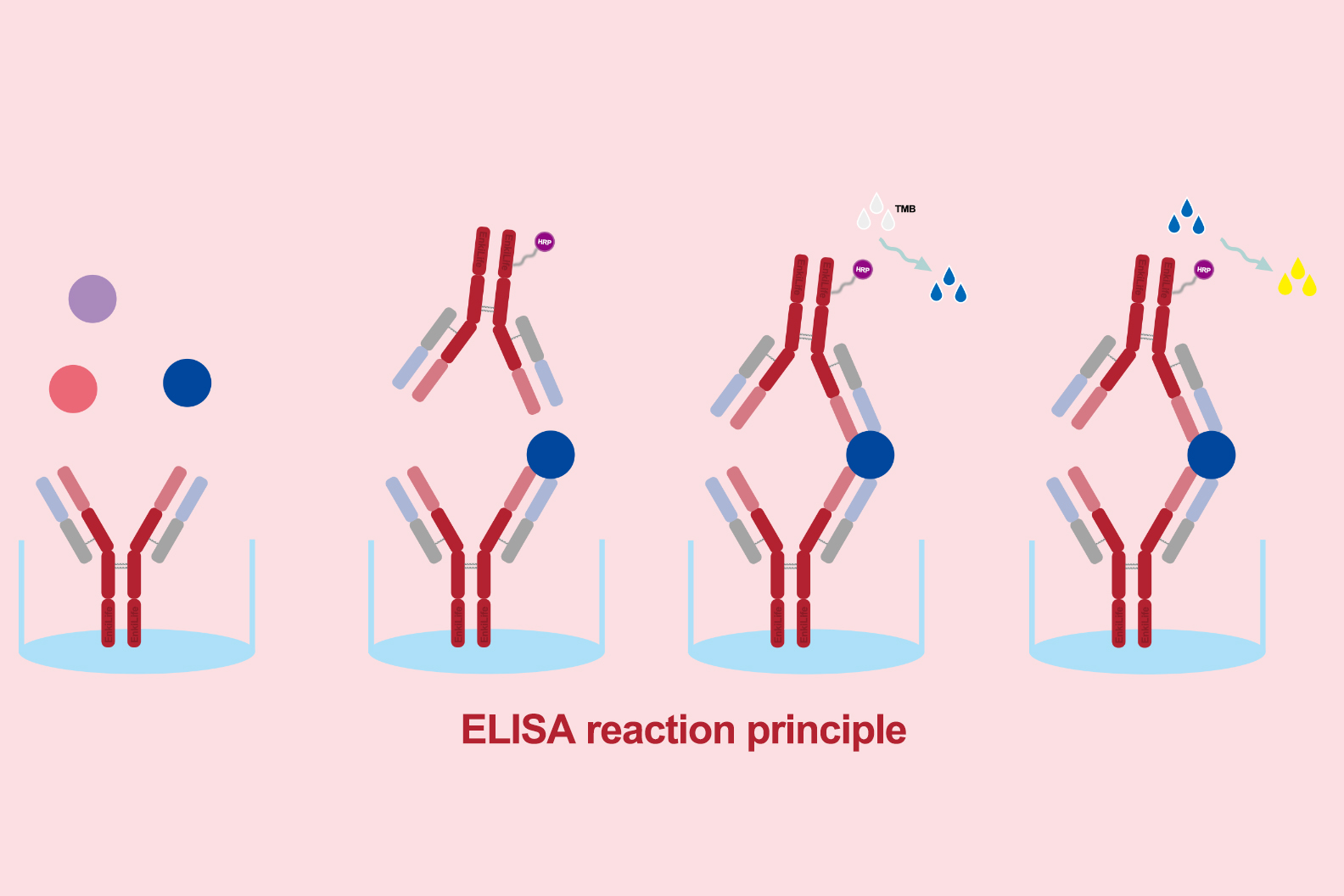
Enzyme-Linked Immunosorbent Assay (ELISA) is a commonly used immunoquantitative technique in scientific research and clinical testing, with multiple different implementation protocols. Different protocols exhibit significant differences in antigen immobilization methods, antigen detection modes, signal amplification strategies, and signal detection methods, adapting to different experimental needs and detection scenarios. This article systematically disassembles the core differences among various ELISA protocols, detailedly analyzes the principles, operational characteristics, and application scopes of each protocol, helping researchers accurately select suitable ELISA protocols based on their experimental requirements.