Analysis of Immunohistochemistry Double Staining Technology and Clinical Applications
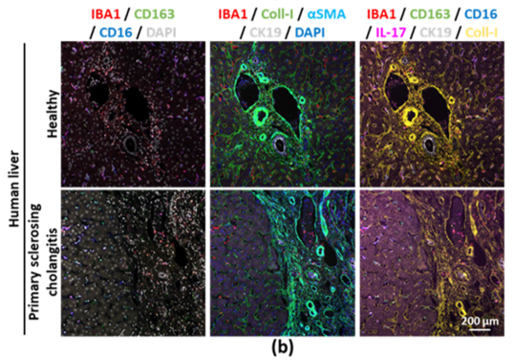
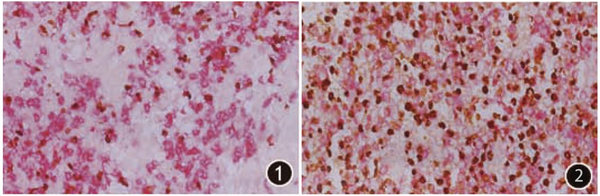
Immunohistochemical double staining (dual immunohistochemistry, Double IHC) is an advanced pathological detection technique based on conventional single immunohistochemical staining. Its core principle is to specifically label and localize two different target antigens simultaneously on the same tissue section (paraffin section/frozen section). By using two contrasting chromogenic systems to distinguish the signals, it can visually display the expression locations, expression levels, and co-localization relationships of the two proteins. The main difference from the fluorescence method is that image merging is not required; the difference in the colors of the two proteins can be observed directly with the naked eye, and the results can be permanently preserved without worrying about signal degradation.