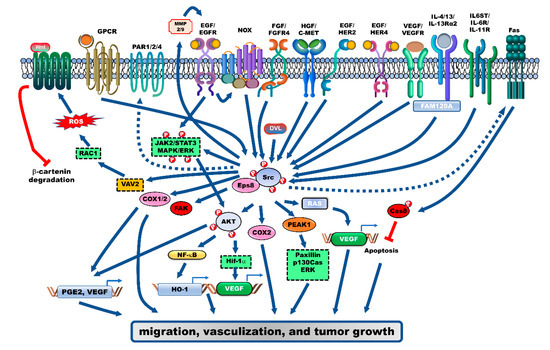
Src Family
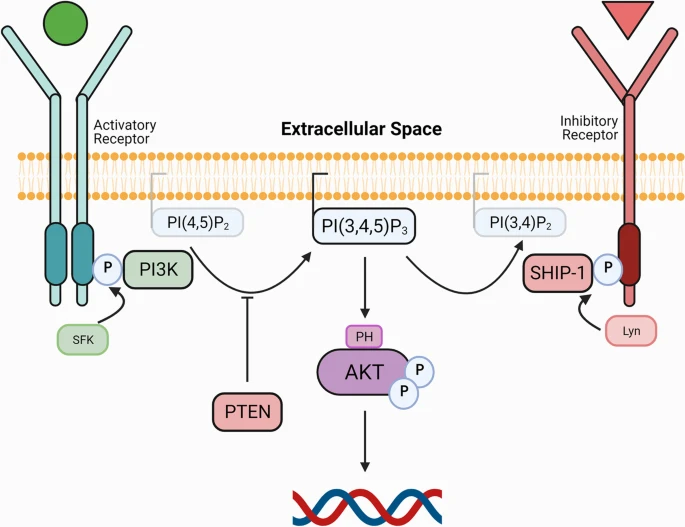
The Src family of protein tyrosine kinases, which includes Src, Lyn, Fyn, Yes, Lck, Blk, and Hck, are important in the regulation of growth and differentiation of eukaryotic cells.
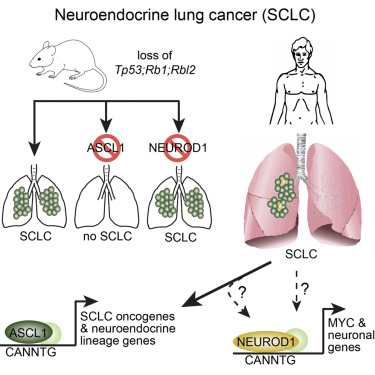
Lung cancer is the leading cause of cancer‑related mortality worldwide. It is generally divided into two broad histological classifications: small cell lung cancer (SCLC) and non‑small cell lung cancer (NSCLC). SCLC is particularly aggressive and has been further subdivided by biological heterogeneity. Subtypes of SCLC have recently been described based on expression distinct transcriptional regulators.
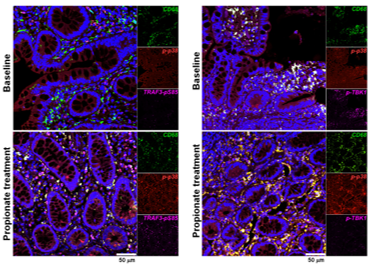
The research focuses on the anti-inflammatory mechanisms of propionic acid and butyric acid, exploring their core molecular targets and signaling axes for targeted regulation of intestinal immune inflammation. At the same time, by integrating clinical samples and small-scale clinical trials, it aims to validate the clinical application potential of SCFAs intervention in ulcerative colitis, providing new theoretical support for dietary intervention and precision therapy in intestinal inflammation.
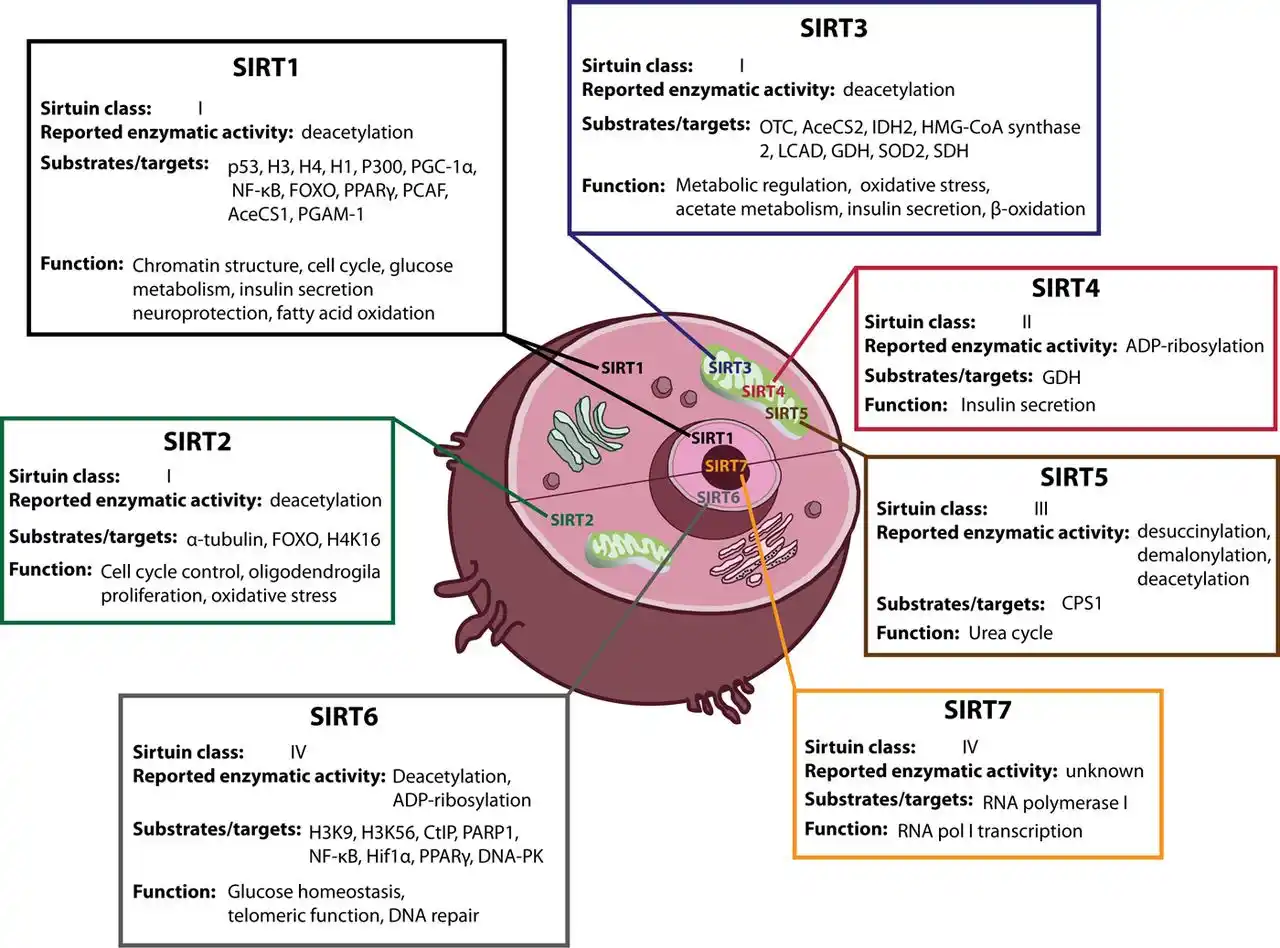
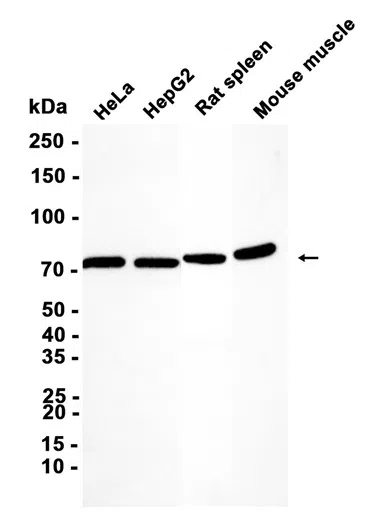
SHP‑2 (PTPN11) is a ubiquitously expressed, nonreceptor protein tyrosine phosphatase (PTP). It participates in signaling events downstream of receptors for growth factors, cytokines, hormones, antigens, and extracellular matrices in the control of cell growth, differentiation, migration, and death.
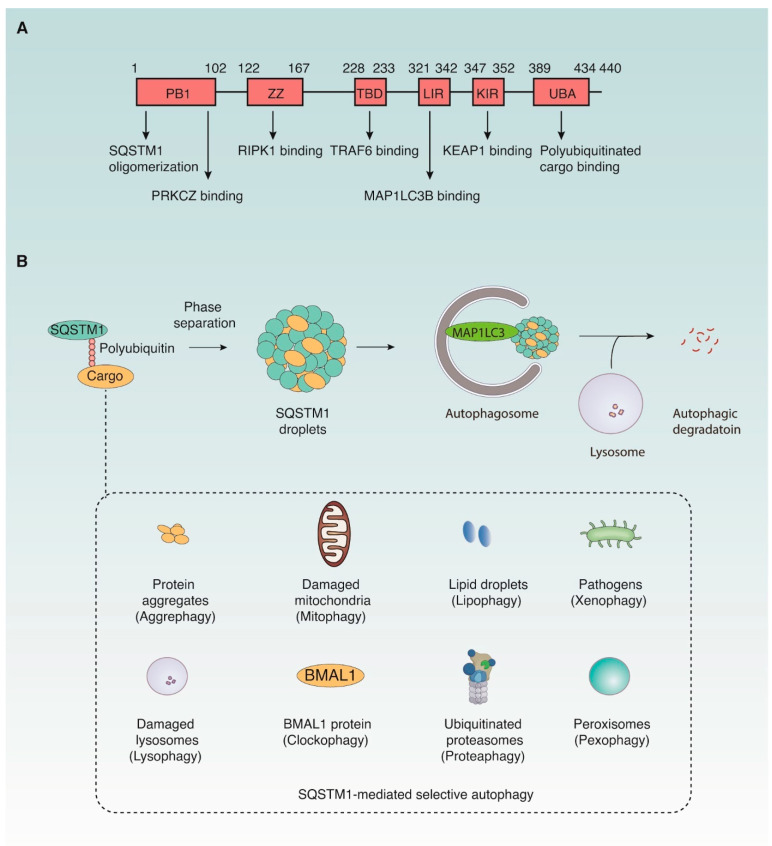
Sequestosome 1 (SQSTM1, p62) is a ubiquitin binding protein involved in cell signaling, oxidative stress, and autophagy. It was first identified as a protein that binds to the SH2 domain of p56Lck (5) and independently found to interact with PKCζ. SQSTM1 was subsequently found to interact with ubiquitin, providing a scaffold for several signaling proteins and triggering degradation of proteins through the proteasome or lysosome. Interaction between SQSTM1 and TRAF6 leads to the K63-linked polyubiquitination of TRAF6 and subsequent activation of the NF-κB pathway.