PKC Isoform
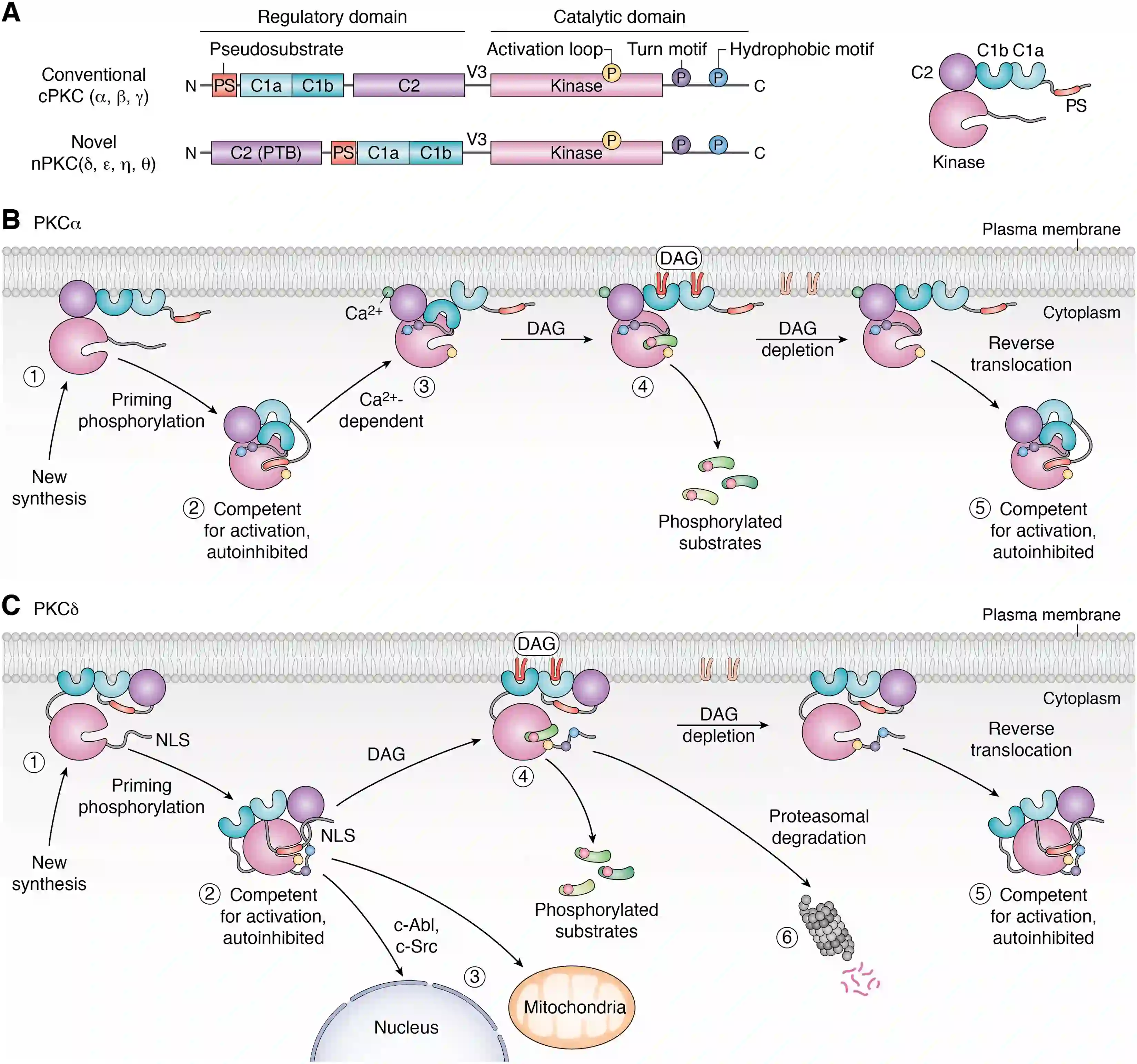
Activation of protein kinase C (PKC) is one of the earliest events in a cascade that controls a variety of cellular responses, including secretion, gene expression, proliferation, and muscle contraction.
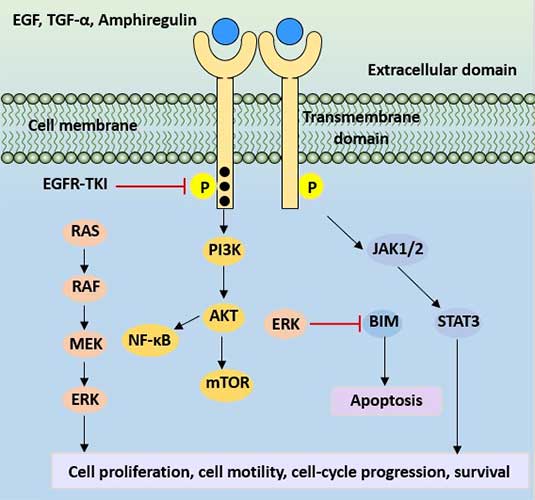
Epidermal growth factor receptor (EGFR), also named ErbB-1 or HER1, belongs to the receptor tyrosine kinase subfamily of the HER protein family. It extensively distributes on the surface of mammalian epithelial cells, fibroblasts, glial cells and keratinocytes, serving as a vital transmembrane receptor.
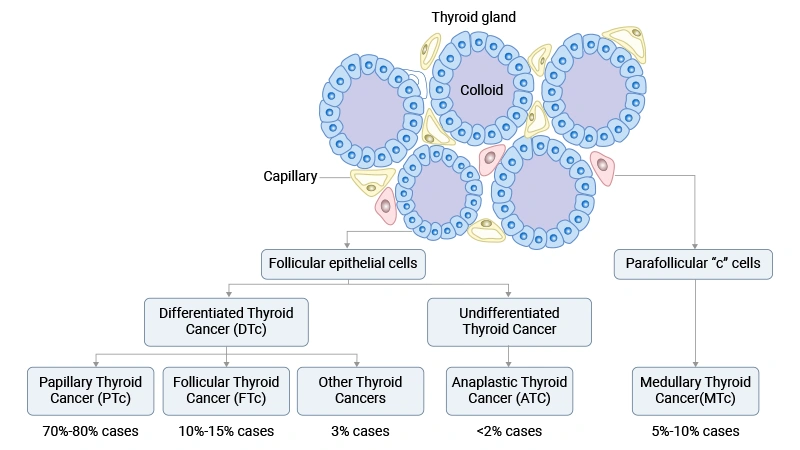
Thyroid tumors cover a wide spectrum of pathological phenotypes, ranging from inert benign nodules to highly aggressive malignant lesions. Research priorities not only include systematic pathological classification, but also exploring how gene variation, tumor clonal evolution and metabolic reprogramming affect disease progression. This paper summarizes core biological features of thyroid tumors, focusing on progression mechanisms, metabolic traits and promising targeted drug candidates.
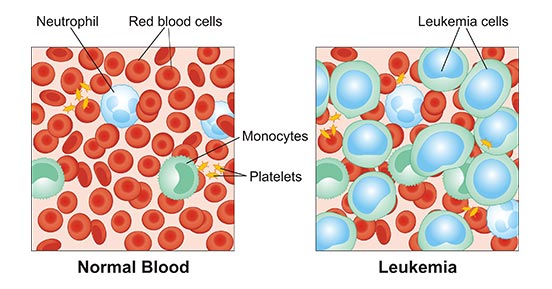
When leukemia is mentioned, keywords such as marrow transplantation and anemia often come to mind. Leukemia is the most prevalent cancer among children and adolescents, making up nearly one-third of all cancers in this age group. Typically, around 14 new cases of leukemia are diagnosed per 100,000 men and women in the United States each year. It ranks as the tenth most common cancer based on annual new diagnoses and accounts for 3.5% of all new cancer cases in the country. So, what exactly is leukemia, and what are its different types?

DNA carries an organism’s genetic information and is essential for its survival and reproduction. For this reason, preserving the structural integrity of DNA molecules is vital to all living cells. Nonetheless, DNA inevitably sustains various forms of damage during replication and genetic transmission to daughter cells. This article elaborates on the definition, major triggers and distinct features of DNA damage, and further clarifies the differences between DNA damage and gene mutation. It also systematically introduces major damage categories, cellular response pathways and related human diseases.

This article systematically elaborates core principles of protein lyophilization, detailed reconstitution workflows and critical operational notes to guide researchers in correctly restoring freeze-dried protein samples.
Pfizer has secured FDA approval for Marstacimab (marketed under the brand name Hympavzi), a monoclonal antibody targeting TFPI. This milestone marks remarkable progress in hemophilia management. As the first TFPI-directed antibody authorized by the FDA, Hympavzi delivers a novel therapeutic choice to lower bleeding episodes in adult and adolescent hemophilia A and B patients aged 12 years and older. Its convenient self-administration route also greatly elevates patients’ quality of life. By binding specifically to the Kunitz-2 domain of TFPI, this drug suppresses TFPI activity, modulates the extrinsic coagulation cascade, and restores the physiological equilibrium between bleeding and clot formation.